Make the Decision
2 Minute Read
Make the decision. Decision fatigue costs way too much.
The Feeling We All Know
Every runner knows this one.
We wake up, and the run is on the calendar. But we don't go immediately. We think about it. We check the weather. We notice how our legs feel. We tell ourselves we'll go after coffee. Then after breakfast. Then after we answer one quick email. By 10am, we are somehow more tired than when we woke up, and we haven't done anything yet.
This is the "maybe I'll run, maybe I won't" state. And anyone who has lived in it knows how draining it is. It can even turn into something that looks like dread, which is strange, because we actually like running. We chose this. Nobody made us put it on the calendar.
So what is going on?
Fatigue and Indecision Feel Identical
The thing we're calling tiredness usually is not physical. It is the weight of an unmade decision.
Every time we revisit the question, "am I running today or not," our brain has to process it again. Each pass costs a little energy. Each pass also leaves the door open to say no, which means we carry a low-grade anxiety with us all morning. We are not resting. We are not training. We are standing in a doorway, and standing in a doorway is exhausting.
By the time we finally decide, we have spent hours losing a battle we never meant to fight. The legs are fine. The body is fine. What's tired is the part of us that has been arguing with itself since breakfast.
This matters because most of us will blame the body in that moment. We'll say we need a rest day. We'll say we're listening to our body. Sometimes that is true. But often, the body was never the issue. The decision was.
Why This Only Happens Without Routine
This internal debate does not happen when we are in routine. When running is just what we do on Tuesday mornings, there is no debate. We wake up, we go. The decision was made weeks ago, and we have not reopened it since. We avoid the mentally draining loop.
The second we break routine, the decision becomes live again. Every run becomes a choice. And a choice every day, about something that requires effort, is not a sustainable way to train. It is a sustainable way to quit.
This is why routine is so much more powerful than motivation. Routine is not about willpower. It is about removing the question entirely so that we stop burning energy answering it. The run stops being something we decide. It becomes something we already decided, a long time ago, and are just now executing.
That shift is worth more than half the battle. Possibly all of it.
How to Know Which One It Is
The next time we feel too tired to run, try this. Ask one question: "have I actually decided yet?"
If the answer is no, the fatigue is probably not physical. It is the fatigue of an open loop. The fix is not more rest. The fix is to close the loop. Make the decision, in either direction, and commit to it. Most of the time, once the decision is made, the tiredness we were feeling fades. Meaning, it was the decision itself.
If the answer is yes, and we truly decided to run and still feel wiped out, that is different. That might actually be the body asking for rest. That signal is real, and it is worth listening to. But we can only hear it clearly once the decision noise is out of the way.
Wrap It Up
A lot of what we call fatigue is a decision that hasn't been made yet.
The most reliable way to avoid it is to stop making the decision daily. Put the run on the calendar, and let that be the end of the conversation. Routine is what makes this possible. It takes the daily vote off the table, and with it, most of the tiredness we thought was physical.
With this mindset, we build a routine we love and train consistently.
More Motivation
View all-

Hard Is the Point
The challenge in front of us isn’t a barrier. It’s the opportunity to become stronger, more durable, and more reliable.
Hard Is the Point
The challenge in front of us isn’t a barrier. It’s the opportunity to become stronger, more durable, and more reliable.
-

-

-

Nobody's Watching You
We think everyone is watching, and judging, us. No one is. And believing they are, will wreck our training.
Nobody's Watching You
We think everyone is watching, and judging, us. No one is. And believing they are, will wreck our training.


Fuel your training
-
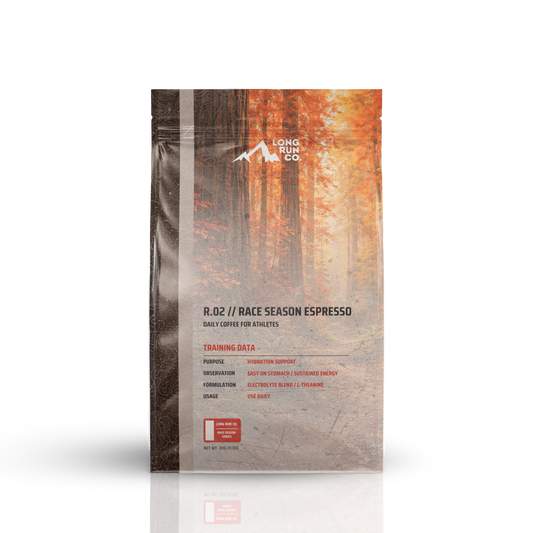
Race Season: Long Run Coffee
Regular price $25.32Regular priceUnit price -
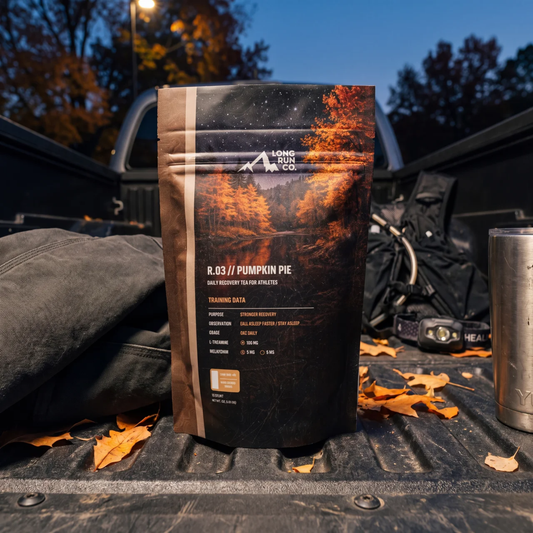
Race Season: Rest & Recover Tea
Regular price $19.99Regular priceUnit price -
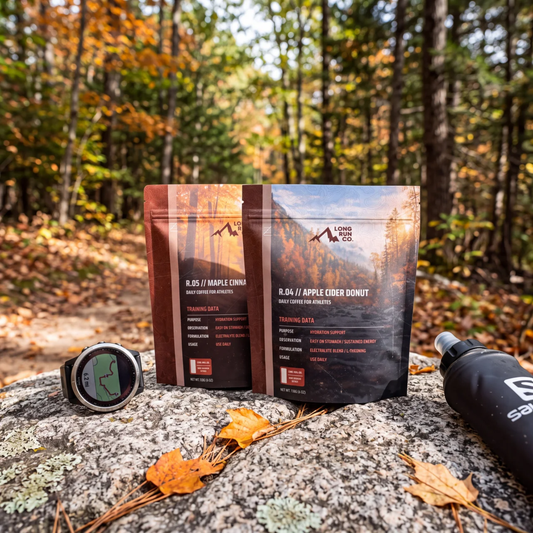
Apple Cider Donut | Maple Cinnamon | Pumpkin Pecan
Regular price $29.99Regular priceUnit price34.89Sale price $29.99Sale -
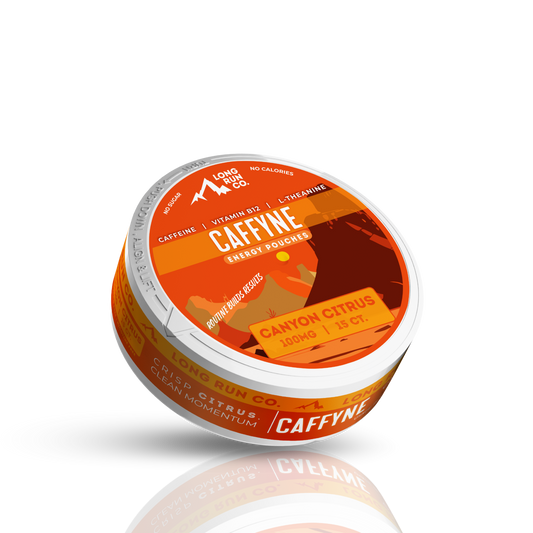
CAFFYNE Energy Pouches
Regular price $6.79Regular priceUnit price0.00Sale price $6.79 -
Backcountry: Long Run Coffee
Regular price $23.99Regular priceUnit price -
Backcountry: Rest & Recover Tea
Regular price $17.32Regular priceUnit price -
Backcountry: PB Chocolate / S'mores / Cookies & Cream
Regular price $29.99Regular priceUnit price34.89Sale price $29.99Sold out -
Long Run Coffee
Regular price $23.99Regular priceUnit price