We Don't Need More Discipline
2 Minute Read
We don't need more discipline, we need fewer decisions.
The Story We Tell About Discipline
Discipline gets talked about like it is a personality trait. Either you have it, or you don't.
If you can drag yourself out of bed at 5am, train through bad weather, eat the right things, and never miss a session, then we say "that's discipline." And to be fair, that's true. But we assume that people doing those types of things are just built different. Stronger. Tougher. More committed than we are.
And the assumption most of us have, is that discipline is simply a matter of willpower. Basically, just try harder. Want it more. Exert as much effort as you can on creating a militant, stringent routine that requires excel tracking, and buying the pro version of strava.
But that never works, at least not for very long.
Discipline Is a Design Problem
The athletes who look the most disciplined are not winning a willpower battle every day. They just have fewer decisions to make.
- They run at the same time every day
- Their nutrition is mostly the same week to week
- Their training plan is simple to understand and follow
- They go to bed at the same time
It's just rinse and repeat. You don't need to think about anything.
And from the outside, you'll look like a disciplined individual. But in reality, you're just on autopilot.
This matters because willpower is not a renewable resource. Every decision we make costs effort. Every single one. And by the end of the day, we have very little left. If we are relying on willpower to make all these decisions, everyday, into perpetuity, we are going to lose that fight more often than we win it. Not because we are weak. That strategy (or rather, lack of one) just doesn't work.
This sounds so simple. And that's because it is. It's so simple, it's often overlooked.
Why This Reframe Matters
If discipline is a trait, we are stuck with what we have. Some of us have it. Most of us do not.
If discipline is simply having to make fewer decisions (i.e. routine), it is something we can build. At any time, we can just say screw it. No more overcomplicating. I run at the same time, every day, and I follow a simple plan. Just doing that, will take us significantly further than most people will ever get. And it doesn't require being a stronger person. It requires being a better engineer of our own lives.
This also means that when we miss sessions, the idea is not "I need more discipline." That goes nowhere useful. The right question is "where in my setup is the friction." Something happened in your day that made it harder to get the job done. However small, find it. Remove it. And you'll be back on track. There is almost always a small fix to our routine, that is much cheaper and easier than trying to become a different person.
We don't win by being disciplined. We win by needing less of it.
Wrap It Up
Discipline is not a trait we are born with. It is a system we build.
The athletes who look unbreakable have made the right action easy and the wrong action inconvenient. They are not stronger. They just have a well-designed routine. Anyone can do this work. It does not take a different personality, just a different setup.
With this mindset, we build a routine we love and train consistently.
More Motivation
View all-

-

-

Nobody's Watching You
We think everyone is watching, and judging, us. No one is. And believing they are, will wreck our training.
Nobody's Watching You
We think everyone is watching, and judging, us. No one is. And believing they are, will wreck our training.
-

Pay the Price, or Pick a New Goal
There are no good goals or bad goals. There is only what a goal costs, what it gives back, and whether that trade is worth it for you.
Pay the Price, or Pick a New Goal
There are no good goals or bad goals. There is only what a goal costs, what it gives back, and whether that trade is worth it for you.


Fuel your training
-
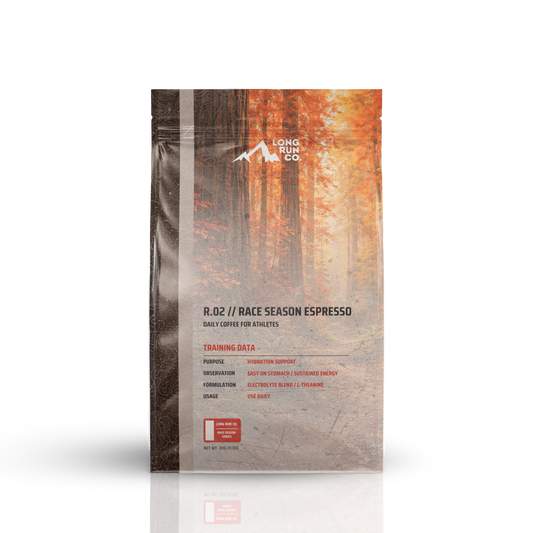
Race Season: Long Run Coffee
Regular price $25.32Regular priceUnit price -
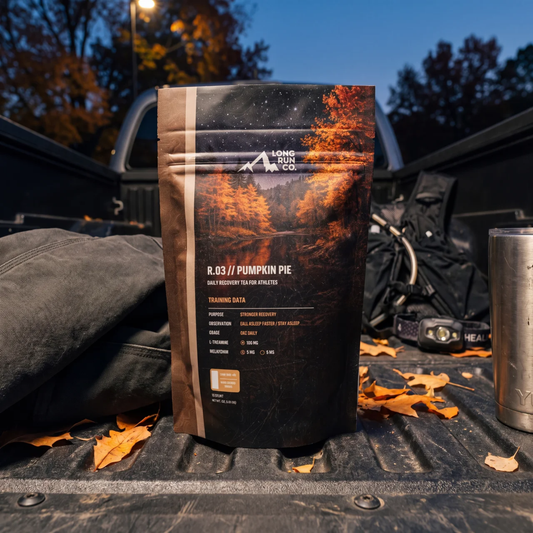
Race Season: Rest & Recover Tea
Regular price $19.99Regular priceUnit price -
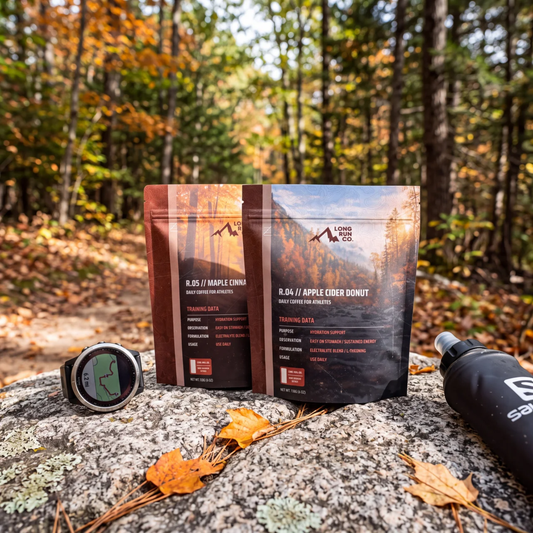
Apple Cider Donut | Maple Cinnamon | Pumpkin Pecan
Regular price $29.99Regular priceUnit price34.89Sale price $29.99Sale -
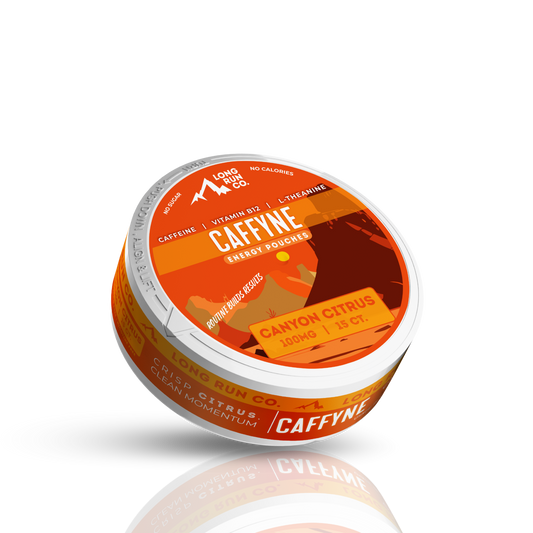
CAFFYNE Energy Pouches
Regular price $6.79Regular priceUnit price0.00Sale price $6.79 -
Race Season: LRC x YETI 16oz Travel Bottle
Regular price $39.00Regular priceUnit price49.00Sale price $39.00Sale -
Backcountry: Long Run Coffee
Regular price $23.99Regular priceUnit price -
Backcountry: Rest & Recover Tea
Regular price $17.32Regular priceUnit price -
Backcountry: PB Chocolate / S'mores / Cookies & Cream
Regular price $29.99Regular priceUnit price34.89Sale price $29.99Sold out