Why Discipline Is Easier
2 Minute Read
The hardest part isn’t the run. It’s the conversation in our head before it.
The Daily Debate
Every athlete knows the feeling. The alarm goes off. We think about the weather. We think about how we feel. We think about what’s on the calendar. And in that small window, we start to negotiate: Should I get up? Should I run later? Should I skip?
That debate drains more energy we think. Sometimes it feels more draining than the training itself. It eats at our willpower before the shoes are even laced. And the truth is, the longer we let that internal conversation run, the more likely we are to lose momentum.
Why Negotiation Fails
Negotiation feels like freedom, but it actually makes us weaker. Every “decision point” costs energy. And when life is already busy (work, family, stress, fatigue) our brain is wired to conserve effort. It will almost always steer us toward the easy option.
That’s why routines built on constant negotiation collapse. We burn out from indecision long before we burn out from training.
The Simplicity of Discipline
Discipline gets a bad reputation, as if it’s about forcing ourselves through misery. But real discipline is simpler than that. Discipline removes negative choices. It creates a repeatable structure that makes training automatic.
Same warm-up. Same time of day. Same order of operations. We don’t decide. We just do. By eliminating the negotiation, we conserve willpower for the actual work. Paradoxically, the more disciplined the routine, the easier it feels to follow.
Routine as a Shortcut to Freedom
From the outside, routine looks restrictive: You run at the same time every day? You never skip? But on the inside, it feels freeing. There’s no wasted energy debating or bargaining with ourselves. No stress about whether today “counts” or whether we’re falling behind.
Discipline anchors us. It makes training steady, predictable, and reliable. When life feels chaotic, that predictability becomes a source of strength.
Wrap It Up
Negotiation makes training fragile. Discipline makes it durable.
We don’t need to rely on fleeting motivation when we have a routine that eliminates the daily debate. And once that structure is in place, training feels less like a battle and more like a rhythm we can trust.
Because discipline isn’t harder than negotiation. It’s far easier.
And with this mindset, we build a routine we love and train consistently.
More Motivation
View all-

-

-

Nobody's Watching You
We think everyone is watching, and judging, us. No one is. And believing they are, will wreck our training.
Nobody's Watching You
We think everyone is watching, and judging, us. No one is. And believing they are, will wreck our training.
-

Pay the Price, or Pick a New Goal
There are no good goals or bad goals. There is only what a goal costs, what it gives back, and whether that trade is worth it for you.
Pay the Price, or Pick a New Goal
There are no good goals or bad goals. There is only what a goal costs, what it gives back, and whether that trade is worth it for you.


Fuel your training
-
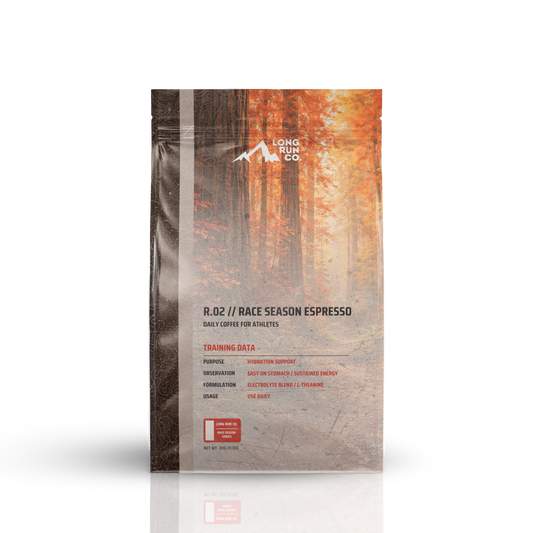
Race Season: Long Run Coffee
Regular price $25.32Regular priceUnit price -
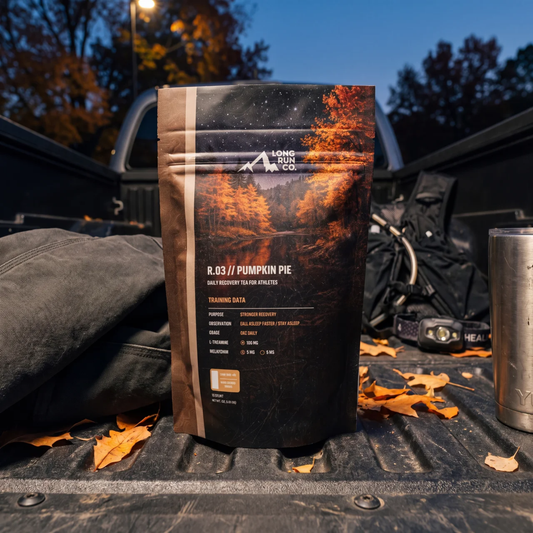
Race Season: Rest & Recover Tea
Regular price $19.99Regular priceUnit price -
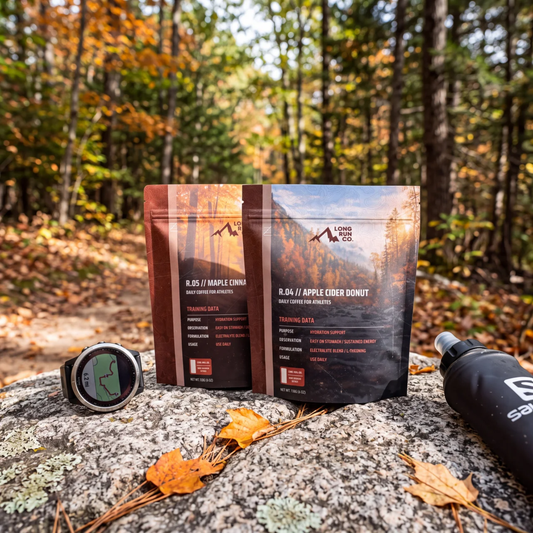
Apple Cider Donut | Maple Cinnamon | Pumpkin Pecan
Regular price $29.99Regular priceUnit price34.89Sale price $29.99Sale -
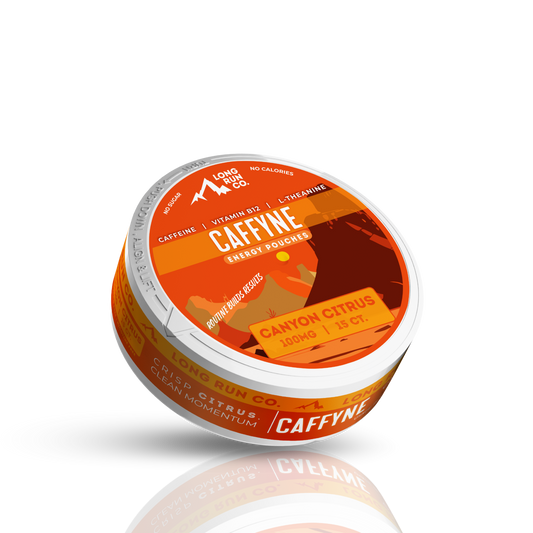
CAFFYNE Energy Pouches
Regular price $6.79Regular priceUnit price0.00Sale price $6.79 -
Race Season: LRC x YETI 16oz Travel Bottle
Regular price $39.00Regular priceUnit price49.00Sale price $39.00Sale -
Backcountry: Long Run Coffee
Regular price $23.99Regular priceUnit price -
Backcountry: Rest & Recover Tea
Regular price $17.32Regular priceUnit price -
Backcountry: PB Chocolate / S'mores / Cookies & Cream
Regular price $29.99Regular priceUnit price34.89Sale price $29.99Sold out