Too Much, Too Fast, Too Soon
2 Minute Read
When willpower overrides recovery.
The Goal Is To Do More
Let’s be clear about something first.
The point of training is to increase capacity. We are trying to run farther, faster, or more often than we can today. Improvement requires progressive overload. If nothing ever increases, nothing ever changes.
So adding more over time is not the problem. It’s necessary. The problem is how and when we add.
Overtraining always traces back to one of three patterns: too much, too fast, too soon.
What That Actually Means
These phrases sound simple. And, they are. But let's clarify anyways:
Too much means the total stress exceeds our ability to recover. Mileage increases we cannot sustain over time. Adding too much volume in weight training. Including too much high Intensity speed work. And again, "too much" does not happen in a day. Most often, the mistake is just a little too much, over a long period of time.
Too fast literally means running too fast. Most of our training should be at a comfortable pace, and if we're constantly pushing ourselves to hold some pace that looks good on our Garmin, that's a recipe for disaster. Again, the point of training is to increase our ability, but if we're not recovering from our efforts, we won't get better anyways.
Too soon means increasing our load before our bodies are ready. We raise mileage too soon, or increase our resistance training volume before the body is ready for the next level. We're layering on more work, before we've adapted to the previous load.
Now, in reality, when we overtrain, it's often a combination of the above. But it's important to look at these separately, as it can help identifiy the source of potential threats to our longevity in training.
What Real Overtraining Looks Like
Actual overtraining doesn't come from one gigantic effort. It happens over a long period of time, and feels like an inability to keep up.
Sleep becomes difficult. Resting heart rate increases. Soreness lingers longer than it should. Paces slow at the same perceived effort. And our "motivation" declines for what was once the thing we loved.
It's counterintuitive. We assume working harder should produce faster results. But when stress outpaces recovery, the body doesn’t improve. And we start shutting down. Progress stalls, and we actually start regressing in our ability.
That’s not a mindset issue. We cannot willpower ourselves out of overtraining. Willpower, and our desire to do more, is what caused the problem.
Social Media
There’s a common message floating around: you can always add one more mile. One more set. One more interval.
And yeah. That is true.
But training doesn’t reward what we can survive today. It rewards what we can recover from and repeat. This is why we harp on the importance of a strong routine.
The body adapts to recoverable stress (key word: recoverable). When stress exceeds recovery capacity, adaptation slows or stops. What looks like dedication turns into self-sabotage.
The danger is that “one more” feels admirable. It feels disciplined. Responsible. Serious. That’s why it’s persuasive. But if additions aren’t methodical, small increases compound into large recovery debt.
How to Progress Without Backfiring
As we said in the beginning, the point of training is to do more. The suggestion here is not to do less. Our argument: build your routine, stick to your plan, and progress deliberately.
As with anything in life, the way to increase our capacity is to make small changes over a long period of time. Increases are gradual, and planned for. We build, then stabilize. Build, then stabilize again.
And, you don't need to be an exercise scientist to do this. There are loads of credible training plans online. Access to quality information is not in short supply here.
An important note: training is not based on "vibes." Don't change your plan based on a hype video you saw on instagram. It's important to listen to your body and adjust things if needed, but let's be pragmatic.
Wrap It Up
Overtraining isn’t dramatic. It’s just a little too much, a little too fast, and a little too soon over a long period of time.
The goal of training isn’t to prove how much we can tolerate in the moment. It's to stay in the game. If we can improve sustainably over time, we will always beat the individual chasing an "immediate more."
Progress compounds when increases are deliberate, not impulsive.
With this mindset, we build a routine we love and train consistently.
More Motivation
View all-

-

-

Nobody's Watching You
We think everyone is watching, and judging, us. No one is. And believing they are, will wreck our training.
Nobody's Watching You
We think everyone is watching, and judging, us. No one is. And believing they are, will wreck our training.
-

Pay the Price, or Pick a New Goal
There are no good goals or bad goals. There is only what a goal costs, what it gives back, and whether that trade is worth it for you.
Pay the Price, or Pick a New Goal
There are no good goals or bad goals. There is only what a goal costs, what it gives back, and whether that trade is worth it for you.


Fuel your training
-
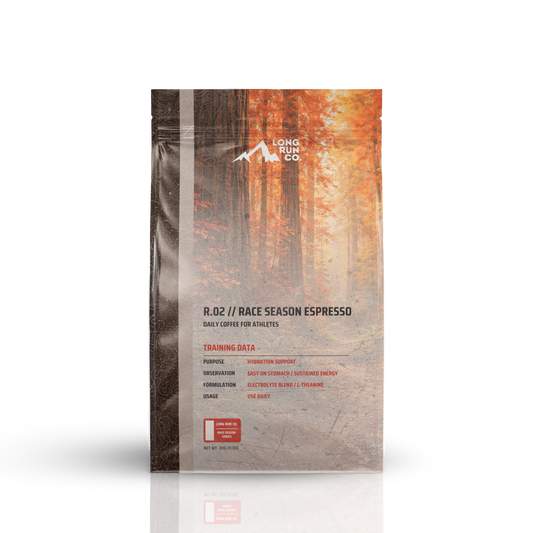
Race Season: Long Run Coffee
Regular price $25.32Regular priceUnit price -
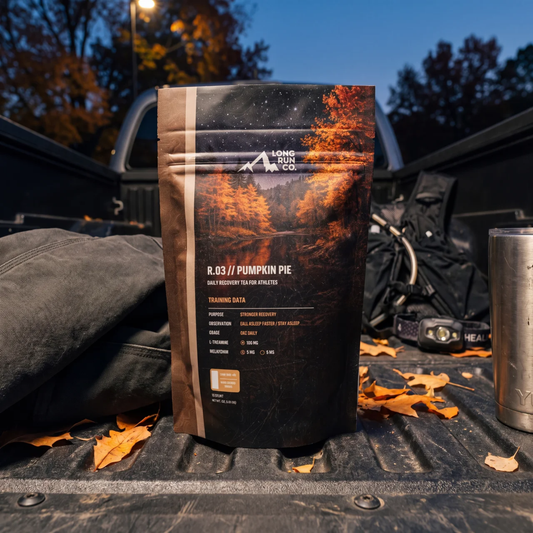
Race Season: Rest & Recover Tea
Regular price $19.99Regular priceUnit price -
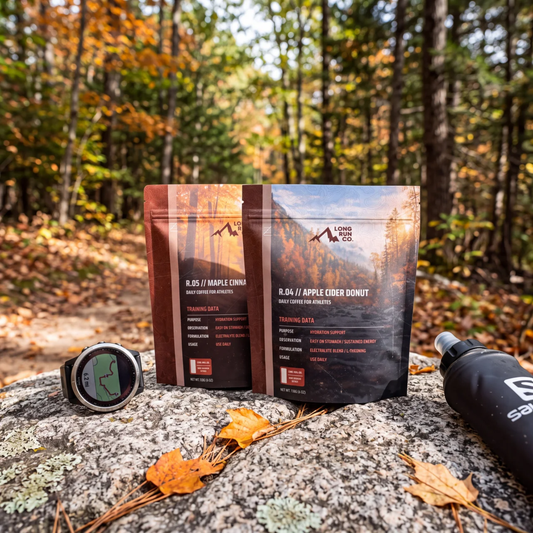
Apple Cider Donut | Maple Cinnamon | Pumpkin Pecan
Regular price $29.99Regular priceUnit price34.89Sale price $29.99Sale -
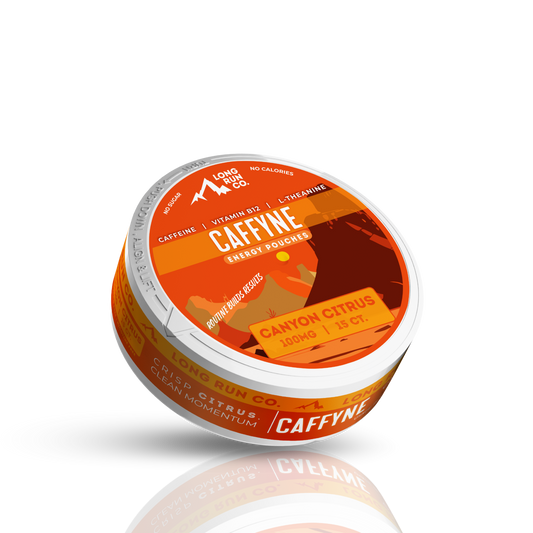
CAFFYNE Energy Pouches
Regular price $6.79Regular priceUnit price0.00Sale price $6.79 -
Race Season: LRC x YETI 16oz Travel Bottle
Regular price $39.00Regular priceUnit price49.00Sale price $39.00Sale -
Backcountry: Long Run Coffee
Regular price $23.99Regular priceUnit price -
Backcountry: Rest & Recover Tea
Regular price $17.32Regular priceUnit price -
Backcountry: PB Chocolate / S'mores / Cookies & Cream
Regular price $29.99Regular priceUnit price34.89Sale price $29.99Sold out