Why Perfection Is the Fastest Way to Quit
2 Minute Read
Perfection doesn’t raise standards. It makes consistency fragile.
Perfection Makes Consistency Fragile
Perfection sounds like seriousness. It sounds disciplined. It sounds like caring. But in practice, requiring perfection does the opposite of what we intend.
When training requires the “right” conditions, consistency becomes dependent on variables we don’t control. Sleep has to be good. The schedule has to open up. Weather has to cooperate. Energy has to feel right. We end up needing luck, sometimes without realizing it. Each requirement adds friction, and unnecessary friction turns routine into something we cannot sustain.
The problem isn’t missing a run or something small. It’s that the entire system becomes fragile.
Perfection doesn’t make us more committed. It makes our commitment easier to break.
Perfection Turns Routine Into a Performance
There’s an important distinction here: practice versus performance.
Practice is designed to be repeatable. Imperfection is expected, and not a problem. It prioritizes consistency over execution. Performance, on the other hand, requires ideal inputs. Everything has to line up. Prioritizing performance alone means the output matters more than the process, which we don't like.
When we treat training like a performance, every session needs to feel meaningful. Every run has to justify itself. Effort becomes something we constantly evaluate. That pressure creates hesitation. Hesitation creates friction. And friction breaks routine.
Routine works when training doesn’t need to feel special. When it’s allowed to be ordinary. When the goal isn’t to prove something today, but to make sure we can always show up again tomorrow.
Why the Athletes Who Last Look “Unimpressive”
The athletes who last don’t look like they’re chasing perfect days (because they are not).
From the outside, they can seem boring. Same time. Similar effort. Few dramatic changes. No constant optimization. They’re not reinventing their training every week because they’ve already learned what works: repeatability.
They don’t wait for perfect conditions. They adjust intelligently when things aren’t ideal and keep moving. The run might be shorter. The pace might be easier. But the structure holds.
That’s the difference. Serious athletes don’t require training to look impressive. They require it to be sustainable.
Durability rarely looks dramatic. It looks calm. It looks ordinary. And it lasts.
Repeatability Is the Higher Standard
This is where the standard needs to shift.
Requiring perfection feels like raising the bar. In reality, it lowers it. The higher standard is repeatability. A plan that works on an average day. A routine that survives imperfect conditions. A system that doesn’t need ideal inputs to function.
And, for the record, repeatability doesn’t mean doing the bare minimum. It means designing training that respects reality. It means valuing consistency over constantly trying to fit more and more in. It means treating training as a practice, not a performance.
That’s how effort compounds. That’s how confidence builds. And that’s how training becomes something we can sustain, not something we constantly restart.
Wrap It Up
Perfection doesn’t make us better athletes. It makes our routines fragile.
When training depends on ideal conditions, consistency disappears the moment life gets messy. But when we prioritize repeatability over perfection, routine becomes durable. Training stops requiring the right day and starts working on the day we have.
With this mindset, we build a routine we love and train consistently.
More Motivation
View all-

-

-

Nobody's Watching You
We think everyone is watching, and judging, us. No one is. And believing they are, will wreck our training.
Nobody's Watching You
We think everyone is watching, and judging, us. No one is. And believing they are, will wreck our training.
-

Pay the Price, or Pick a New Goal
There are no good goals or bad goals. There is only what a goal costs, what it gives back, and whether that trade is worth it for you.
Pay the Price, or Pick a New Goal
There are no good goals or bad goals. There is only what a goal costs, what it gives back, and whether that trade is worth it for you.


Fuel your training
-
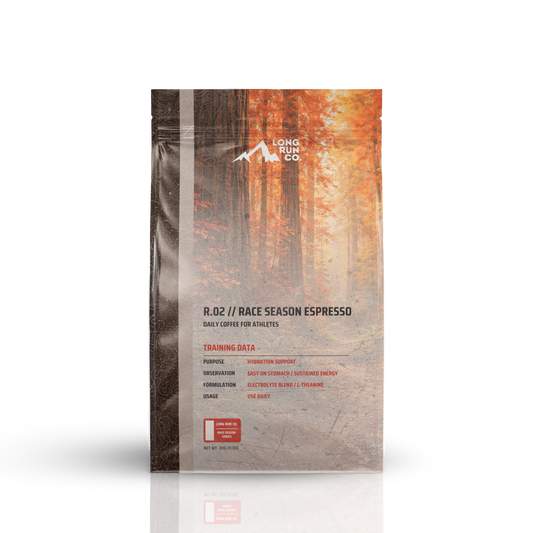
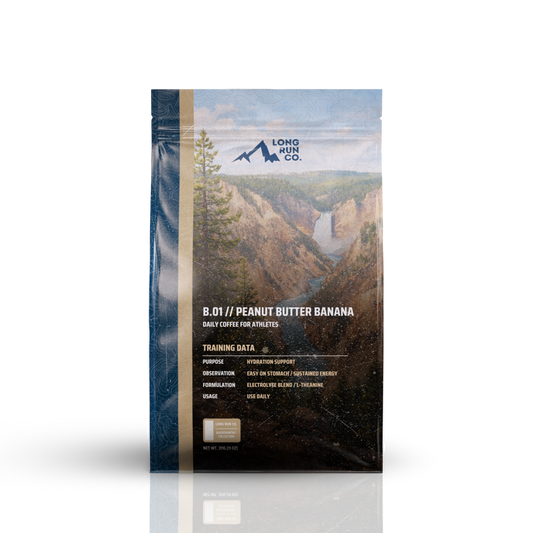
Race Season: Long Run Coffee
Regular price $25.32Regular priceUnit price -
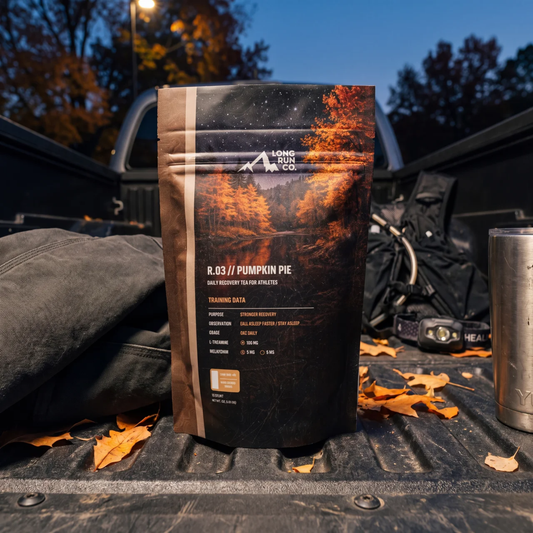
Race Season: Rest & Recover Tea
Regular price $19.99Regular priceUnit price -
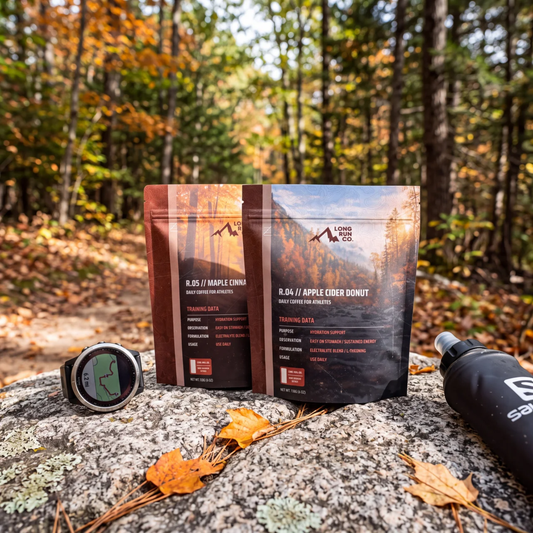
Apple Cider Donut | Maple Cinnamon | Pumpkin Pecan
Regular price $29.99Regular priceUnit price34.89Sale price $29.99Sale -
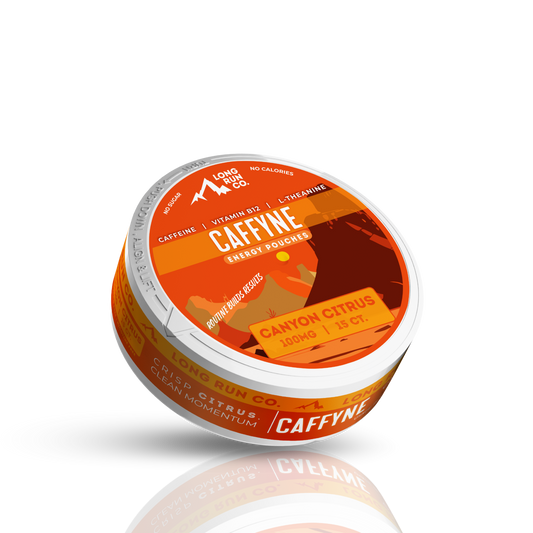
CAFFYNE Energy Pouches
Regular price $6.79Regular priceUnit price0.00Sale price $6.79 -
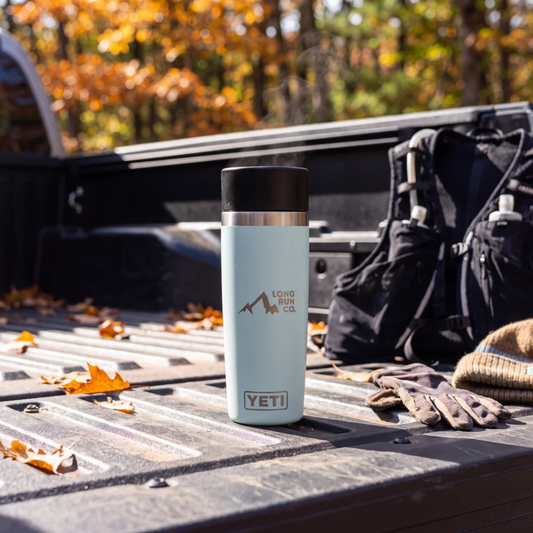
Race Season: LRC x YETI 16oz Travel Bottle
Regular price $39.00Regular priceUnit price49.00Sale price $39.00Sale -
Backcountry: Long Run Coffee
Regular price $23.99Regular priceUnit price -
Backcountry: Rest & Recover Tea
Regular price $17.32Regular priceUnit price -
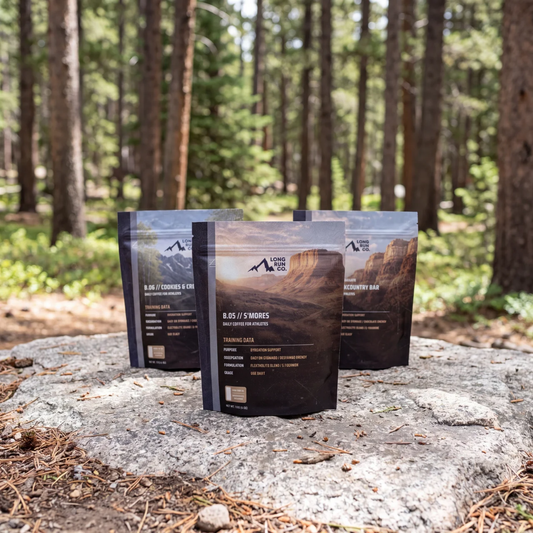
Backcountry: PB Chocolate / S'mores / Cookies & Cream
Regular price $29.99Regular priceUnit price34.89Sale price $29.99Sold out