Where Most Quit
2 Minute Read
The beginning of training is exciting. The end is motivating.
The middle is long, repetitive, and demanding.
The Excitement of Starting
Starting something new creates momentum almost automatically. A new goal sharpens focus. Early adaptations come quickly. Every run feels meaningful because it’s clearly moving us forward.
This phase doesn’t require much mental preparation. Novelty carries effort. And progress is obvious enough that we don’t need to convince ourselves the work is worth it.
It's okay to enjoy this stage! It's fun. But this ease is temporary.
The Pull of the Finish
The end of a training cycle brings urgency. When the goal is close, effort feels justified again. There’s a sense of validation: this is what I’ve been working toward.
Fatigue still exists, but it’s contextualized. We can see the line we’re running toward, and that clarity makes discomfort feel purposeful.
The middle doesn’t offer that clarity.
The Middle No One Prepares For
The middle is where training becomes repetitive.
The runs look similar, our quick / visible progress slows down, and excitement fades. We know the work needs to happen anyway, but all novelty is gone.
In the middle, effort loses its emotional charge. We’re not riding excitement or chasing a finish line. The effort required to show up again and again is now high. The work feels familiar, but repetitive and forgettable. That emotional flatness is what makes consistency harder than the work itself.
This is where athletes quit. But quitting isn't done in one dramatic decision. It's a slow drift. We start moving sessions around. We skip here and there. We wait for motivation to return. Our routine loosens. Not because we stopped caring, but because nothing feels urgent enough to demand precision.
The problem isn’t that the middle is too hard.
It’s that it’s too boring.
And most people aren’t prepared for how much of training lives here.
Why Excellence Lives in the Middle
The middle is where repetition compounds. Not through big breakthroughs, but through small, unremarkable executions stacked over time.
Routine must replace excitement.
The middle rewards athletes who can execute without excitement, who can treat an ordinary day as worthy of full effort. This is where consistency stops being an idea and becomes a practiced skill.
Excellence is not built during the beginning or the end. It's built in the middle. Because very few are willing to push through when no one is watching. When the work doesn’t feel special. When progress is slow. Be prepared for this, push through it, and excellence is the outcome.
The athletes who last are not more inspired, or more motivated. They’re more prepared for this phase. They understand that the middle is what separates excellence from average.
Wrap It Up
Most athletes don’t quit at the beginning, and they don’t quit at the end. They quit in the middle, where the work becomes repetitive, and effort no longer feels exciting.
And the boring middle isn't a flaw in training. It is training.
When we expect it, prepare for it, and build routines designed to survive it, we stop searching for momentum and start building durability.
With this mindset, we build a routine we love and train consistently.
More Motivation
View all-

-

-

Nobody's Watching You
We think everyone is watching, and judging, us. No one is. And believing they are, will wreck our training.
Nobody's Watching You
We think everyone is watching, and judging, us. No one is. And believing they are, will wreck our training.
-

Pay the Price, or Pick a New Goal
There are no good goals or bad goals. There is only what a goal costs, what it gives back, and whether that trade is worth it for you.
Pay the Price, or Pick a New Goal
There are no good goals or bad goals. There is only what a goal costs, what it gives back, and whether that trade is worth it for you.


Fuel your training
-
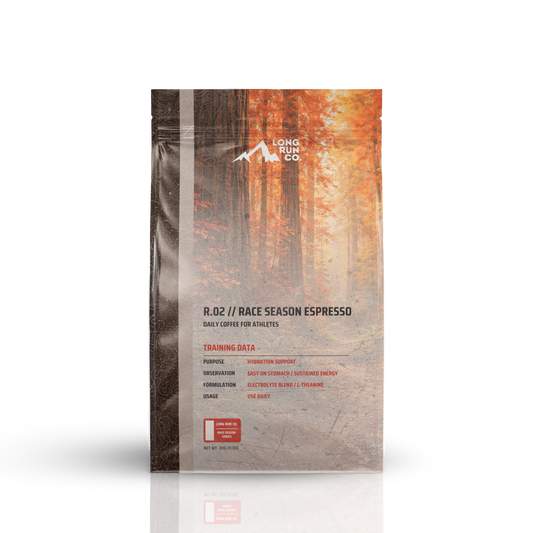
Race Season: Long Run Coffee
Regular price $25.32Regular priceUnit price -
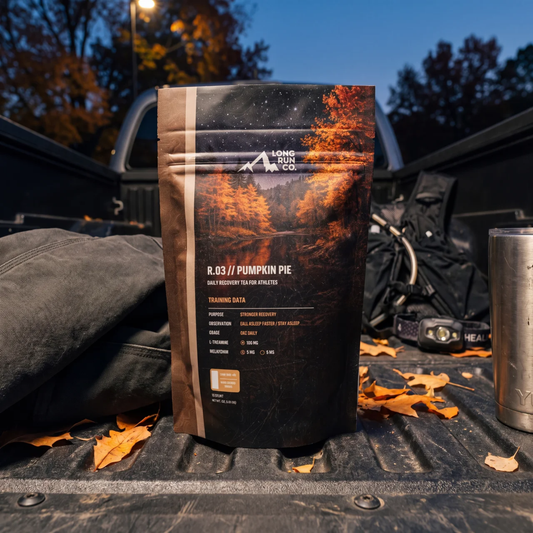
Race Season: Rest & Recover Tea
Regular price $19.99Regular priceUnit price -
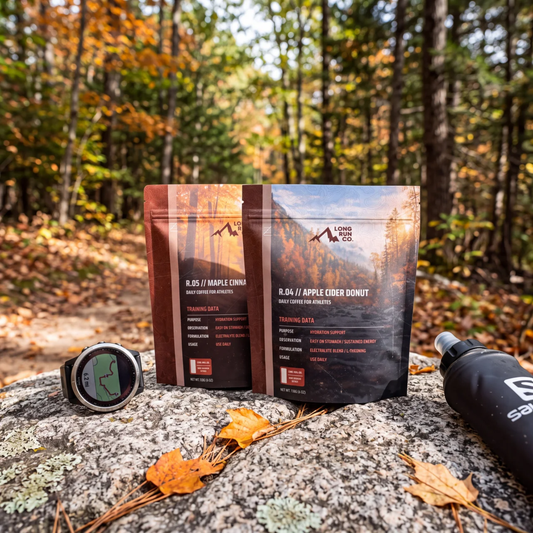
Apple Cider Donut | Maple Cinnamon | Pumpkin Pecan
Regular price $29.99Regular priceUnit price34.89Sale price $29.99Sale -
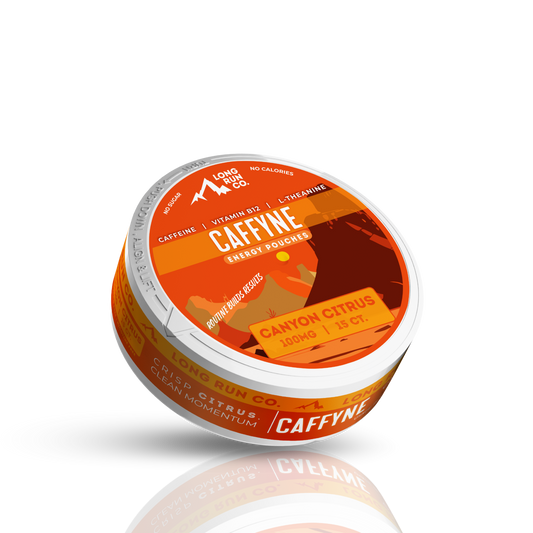
CAFFYNE Energy Pouches
Regular price $6.79Regular priceUnit price0.00Sale price $6.79 -
Race Season: LRC x YETI 16oz Travel Bottle
Regular price $39.00Regular priceUnit price49.00Sale price $39.00Sale -
Backcountry: Long Run Coffee
Regular price $23.99Regular priceUnit price -
Backcountry: Rest & Recover Tea
Regular price $17.32Regular priceUnit price -
Backcountry: PB Chocolate / S'mores / Cookies & Cream
Regular price $29.99Regular priceUnit price34.89Sale price $29.99Sold out