Perception is Reality
2 Minute Read
By default, our brains search for and prioritize problems.
Perception Is Biased Toward Absence
We do not experience reality evenly.
Our brains are designed to prioritize searching for problems, inconsistencies, and what appears to be missing. It does not automatically scan for things that are working as expected.
This is a survival mechanism. Detecting what’s wrong (historically) was more useful than recognizing what’s stable. What’s working can be ignored. What’s missing cannot.
So our perception becomes skewed. Very skewed. Our natural state is to look for and prioritize what's wrong, as opposed to what's right.
The Misinterpretation Loop
What we notice becomes our reality.
When our attention is consistently drawn to small problems, we begin to treat those signals as representative of the whole. We assume that what stands out must be what matters most. This process is subconscious. Most of us aren't actively / intentionally trying to take a small problem and let it control us.
But when we let this process occur (search for what's wrong, and put outsized attention on it), we assume something needs to be fixed.
This leads to unnecessary adjustments, second-guessing, and disruption of the consistency that is needed to actually move forward. It also lowers our satisfaction, which sucks.
How To Fix It
When training is structured and consistent, it is going to work. Consistency always yields results. It's just a matter of when. So we need to fix what's going on in our heads.
Our perception dictates our reality. The solution, then, is to practice searching for what's right, as opposed to what's wrong. Our attention is trainable. It is literally that simple. Simple, but not easy.
If we default to scanning for what’s wrong, the brain gets really good at finding problems. And it turn small issues into big ones. The opposite is also true.
When we deliberately look for what is working, the brain will start to search for successes rather than small problems. This makes training easier, and increases our overall satisfaction in the sport. And it'll actually lead to better outcomes, because it'll reinforce the idea that we don't need to constantly be changing stuff in order to make progress.
Every time you feel yourself focusing on what's wrong, just pause. Search for what's right. Practice this, and it'll become a habit.
Wrap It Up
We are wired to notice what’s missing. That bias makes small issues feel larger than they are. But it's not real. It's just what our brains do by default.
Instead, search for what's right. Do this actively. Practice it. Eventually this will become what the brain does automatically. And it'll lead to better decisions, more consistency, and allow progress to unfold as it should.
With this mindset, we build a routine we love and train consistently.
More Motivation
View all-

-

-

Nobody's Watching You
We think everyone is watching, and judging, us. No one is. And believing they are, will wreck our training.
Nobody's Watching You
We think everyone is watching, and judging, us. No one is. And believing they are, will wreck our training.
-

Pay the Price, or Pick a New Goal
There are no good goals or bad goals. There is only what a goal costs, what it gives back, and whether that trade is worth it for you.
Pay the Price, or Pick a New Goal
There are no good goals or bad goals. There is only what a goal costs, what it gives back, and whether that trade is worth it for you.


Fuel your training
-
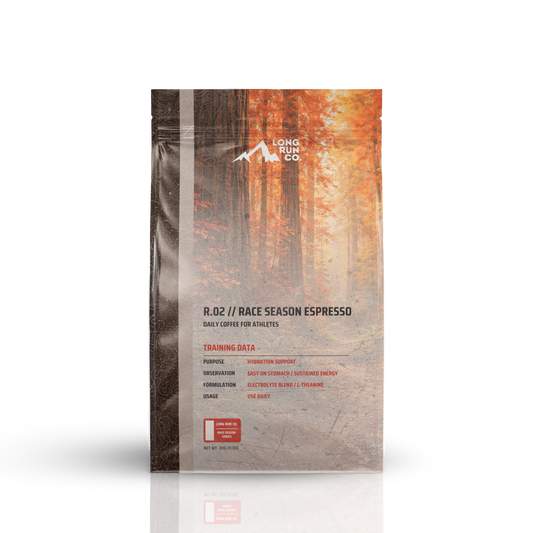
Race Season: Long Run Coffee
Regular price $25.32Regular priceUnit price -
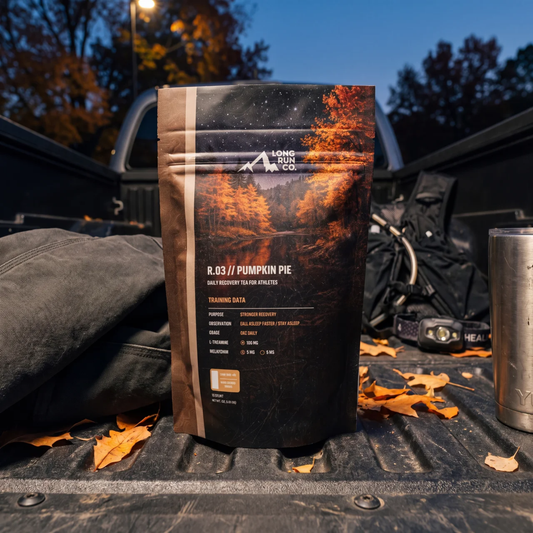
Race Season: Rest & Recover Tea
Regular price $19.99Regular priceUnit price -
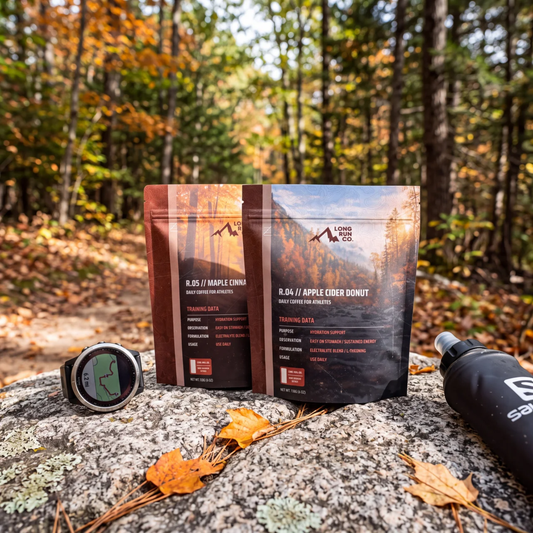
Apple Cider Donut | Maple Cinnamon | Pumpkin Pecan
Regular price $29.99Regular priceUnit price34.89Sale price $29.99Sale -
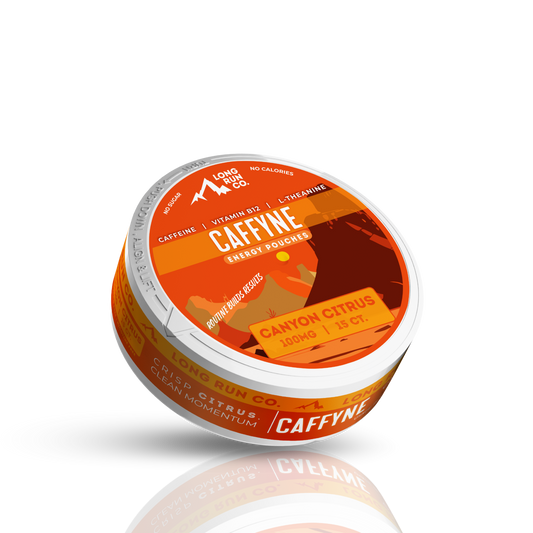
CAFFYNE Energy Pouches
Regular price $6.79Regular priceUnit price0.00Sale price $6.79 -
Race Season: LRC x YETI 16oz Travel Bottle
Regular price $39.00Regular priceUnit price49.00Sale price $39.00Sale -
Backcountry: Long Run Coffee
Regular price $23.99Regular priceUnit price -
Backcountry: Rest & Recover Tea
Regular price $17.32Regular priceUnit price -
Backcountry: PB Chocolate / S'mores / Cookies & Cream
Regular price $29.99Regular priceUnit price34.89Sale price $29.99Sold out