Nothing to Lose
2 Minute Read
Waiting feels safe because nothing can go wrong. But nothing can go right either.
We Inflate the Stakes
We all have a decision we're putting off.
Something sitting in the back of our mind.
Is there a new event we're thinking about training for? A new training block we want to start? We all have a change we're thinking about making.
It could be something outside of training as well: work, life decisions, etc.
What’s interesting is how quickly our minds turn decisions into something significantly heavier than they are in reality. We don’t think rationally about the potential outcomes.
Usually, we imagine the absolute worst case scenario. A worst case scenario that may not even exist in reality: extreme disappointment, embarrassment, wasted time, regret, etc. And once the mind frames it that way, hesitation starts to actually feel responsible. But that couldn't be further from the truth.
Most of the time, that fear isn’t coming from the decision itself. It’s coming from vagueness. When we keep potential outcomes vague, our brains will fill the gap with doom & drama.
Most Decisions Are Reversible
This is almost always true.
Our decision making revolves around vague worst case scenarios. And most of the time, we're not considering the fact that most decisions are not permanent anyways. We can always change our course.
Very few decisions are truly permanent. We're not trapped. We can scale effort up or down. We can shift timelines. We can adjust expectations. We can modify strategy.
The larger risk is here, is hesitation. Hesitation is what traps us. We're stuck in the same place, and lose time.
Decide Quickly
Our take: decide quickly.
And we're not advocating for being impulsive. It means we stop pretending that more time thinking will create certainty that doesn’t exist. In training especially, clarity doesn’t come from another week of mental debate. It comes from taking action. So just go for it.
Indecision is expensive because it drains energy without producing progress. Every week spent “considering” is a week we didn’t train toward the goal. That's time that could have been spent building confidence, which is the thing we're actually looking for.
Waiting feels safe because nothing can go wrong. But nothing can go right either.
When we decide quickly, we shorten the distance between where we are, and where we want to be. Even if we fail.
Fail Fast, Then Go Again
Okay, well what if we remove vague fears, understand that decisions are reversible, and decide quickly, but we fail anyways?
Good. That's fine.
Failure is a fact of life. It's a fixed cost for training. Failure is guaranteed. So we might as well get there faster, fail, and move on.
If failure is happening either way, the question is, do we want to move through it faster? Or delay everything, get behind on our goals, and then still fail at some point?
Make decisions quickly, go for it, and we will fail... but, in a controlled way that teaches us something. Failing quickly turns fear into data. It turns uncertainty into a clear next step. And it prevents us from wasting months trying to avoid discomfort that we’ll eventually have to face anyway.
When we take action, learn, and go again, we stop treating decisions like this big gigantic thing. Deciding quickly becomes the obvious way to move forward.
Wrap It Up
Most of what we’re debating isn’t truly dangerous. It just feels that way because we haven’t committed to a direction, and vagueness lets the mind invent worst-case stories.
When we decide quickly, we avoid the cost of hesitation. We move through failure faster. This is how we create confidence and progress.
With this mindset, we build a routine we love and train consistently.
More Motivation
View all-

-

-

Nobody's Watching You
We think everyone is watching, and judging, us. No one is. And believing they are, will wreck our training.
Nobody's Watching You
We think everyone is watching, and judging, us. No one is. And believing they are, will wreck our training.
-

Pay the Price, or Pick a New Goal
There are no good goals or bad goals. There is only what a goal costs, what it gives back, and whether that trade is worth it for you.
Pay the Price, or Pick a New Goal
There are no good goals or bad goals. There is only what a goal costs, what it gives back, and whether that trade is worth it for you.


Fuel your training
-
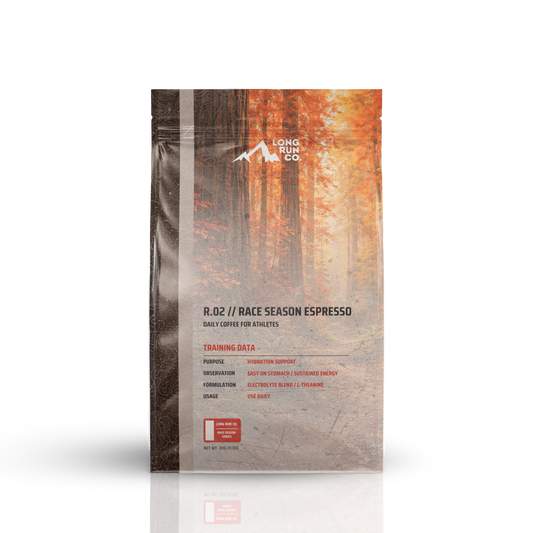
Race Season: Long Run Coffee
Regular price $25.32Regular priceUnit price -
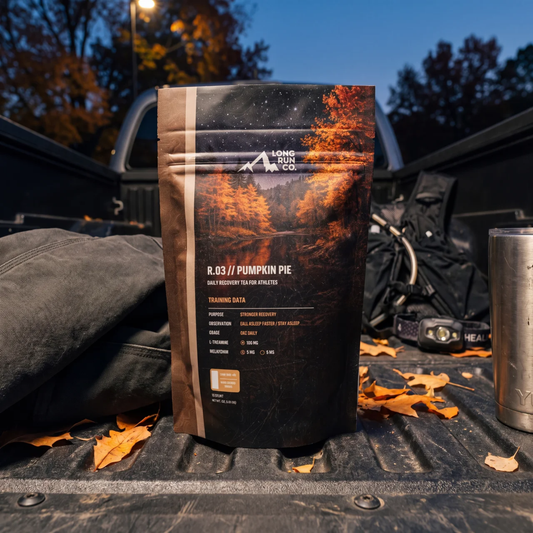
Race Season: Rest & Recover Tea
Regular price $19.99Regular priceUnit price -
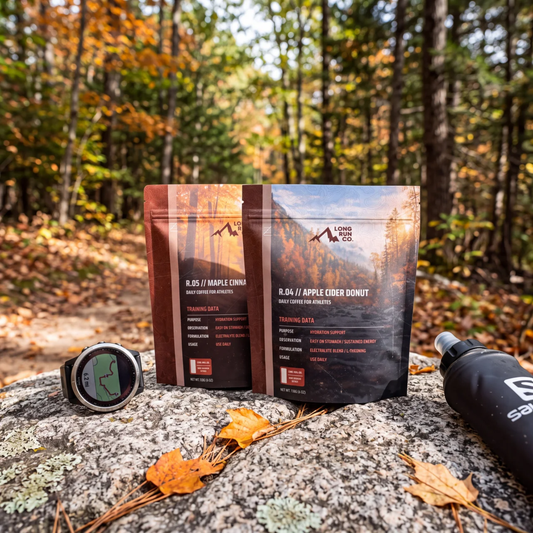
Apple Cider Donut | Maple Cinnamon | Pumpkin Pecan
Regular price $29.99Regular priceUnit price34.89Sale price $29.99Sale -
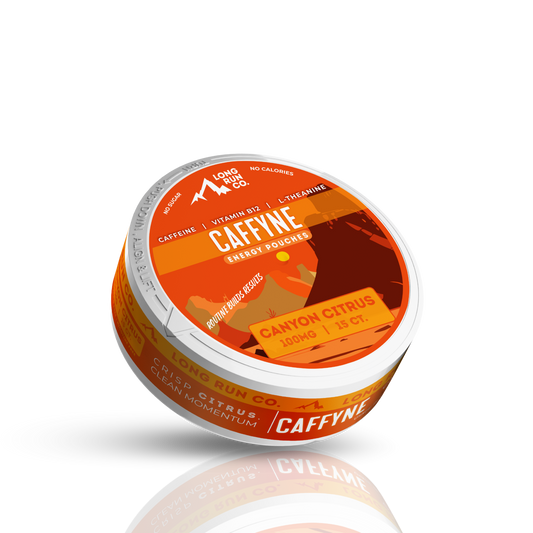
CAFFYNE Energy Pouches
Regular price $6.79Regular priceUnit price0.00Sale price $6.79 -
Race Season: LRC x YETI 16oz Travel Bottle
Regular price $39.00Regular priceUnit price49.00Sale price $39.00Sale -
Backcountry: Long Run Coffee
Regular price $23.99Regular priceUnit price -
Backcountry: Rest & Recover Tea
Regular price $17.32Regular priceUnit price -
Backcountry: PB Chocolate / S'mores / Cookies & Cream
Regular price $29.99Regular priceUnit price34.89Sale price $29.99Sold out