How Winter Exposes Weak Routines
2 Minute Read
Running in the cold isn't about raw toughness. It's about practice.
Warm Conditions Hide Structural Problems
In mild weather, training has a lot of margin for error. We can wait until later in the day. We can adjust plans on the fly. We can rely on the fact that running won’t feel hostile the moment we step outside. Comfort fills in the gaps where routine should be doing the work.
That’s why many routines feel “solid” in spring and fall. Not because they’re well-built, but because the environment is forgiving. Miss a run today? It’s easy to make it up tomorrow. Not sure when to train? Any time feels workable. The system doesn’t need to be precise because conditions are doing some of the lifting.
Winter removes that margin. Resistance is amplified. Flexibility turns into friction. Suddenly, the routine that worked fine three months ago starts to feel unreliable. Not because the athlete changed, but because the environment stopped compensating for a weak structure.
Cold Forces the System to Carry the Load
When it’s cold, training stops being negotiable in the same way. There’s less room to “see how we feel.” Standing around deciding only makes things worse. The body cools, motivation drops, and the mental cost of starting increases by the minute.
This is where routine matters.
Athletes with strong routines don’t need to debate when or how they’ll train. They know the time. They know the general plan. They know how to get warm and moving quickly. The decision was already made before winter showed up. Cold doesn’t derail them. It's not even a consideration.
Athletes who struggle in winter usually aren’t lazy or undisciplined. They’re operating without defaults. Every run becomes a fresh decision, layered with weather, clothing choices, schedule uncertainty, and mental resistance.
The routine can’t carry the load, so the mind has to. And that’s exhausting.
Why This Feels Like a Motivation Problem (But Isn’t)
Winter often gets framed as a motivation test. If we’re not running, we assume we “lost motivation” or need to dig deeper. But motivation was never the right tool for this job. Motivation thrives in comfort. It fades when friction rises.
Cold exposes that mismatch.
When training depends on motivation, winter will always feel significantly harder. When training depends on routine, colder weather shrinks to irrelevance. The difference isn’t desire. It’s structure. A system doesn’t care if it’s dark or cold. It just runs.
This is why winter can feel so mentally heavy. We’re not tired from training. We’re tired from deciding. We’re carrying uncertainty instead of following a plan. And over time, that mental strain gets mislabeled as burnout, when it’s really just structural fatigue.
Defaults Are What Survive Winter
A strong routine doesn’t need to be rigid, but it does need to be predictable. It needs anchors that hold when conditions get uncomfortable. Fixed run days. A rough time window. A standard warm-up. Hold the routine, run in the cold more, and it'll get easier each time.
These defaults reduce exposure to cold both physically and mentally. We prevent hesitation from stacking up. And we protect identity. We’re no longer asking, “Am I the kind of person who runs in this?” We already answered that question through repetition.
Winter rewards systems, not heroics. The athletes who keep training aren’t tougher. They’re clearer. They’ve built routines that don’t require perfect conditions to function.
Wrap It Up
Winter doesn’t break good routines. It reveals whether they exist.
Warm weather can hide structural weaknesses, but cold strips training down to its foundation. When comfort disappears, defaults take over. And if those defaults aren’t there, the mind ends up doing work the routine should have handled all along.
This is without judgment. It’s just information. Winter shows us exactly where our routine needs strengthening. Not so we can suffer more, but so training can stay simple, predictable, and sustainable year-round.
With this mindset, we build a routine we love and train consistently.
More Motivation
View all-

-

-

Nobody's Watching You
We think everyone is watching, and judging, us. No one is. And believing they are, will wreck our training.
Nobody's Watching You
We think everyone is watching, and judging, us. No one is. And believing they are, will wreck our training.
-

Pay the Price, or Pick a New Goal
There are no good goals or bad goals. There is only what a goal costs, what it gives back, and whether that trade is worth it for you.
Pay the Price, or Pick a New Goal
There are no good goals or bad goals. There is only what a goal costs, what it gives back, and whether that trade is worth it for you.


Fuel your training
-
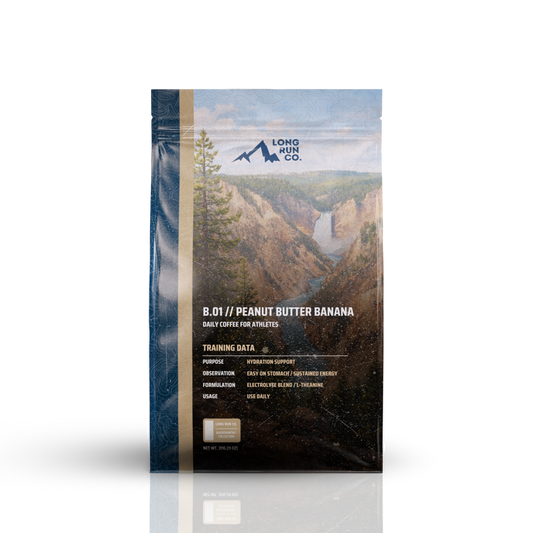
Race Season: Long Run Coffee
Regular price $25.32Regular priceUnit price -
Race Season: Rest & Recover Tea
Regular price $19.99Regular priceUnit price -
Apple Cider Donut | Maple Cinnamon | Pumpkin Pecan
Regular price $29.99Regular priceUnit price34.89Sale price $29.99Sale -
CAFFYNE Energy Pouches
Regular price $6.79Regular priceUnit price0.00Sale price $6.79 -
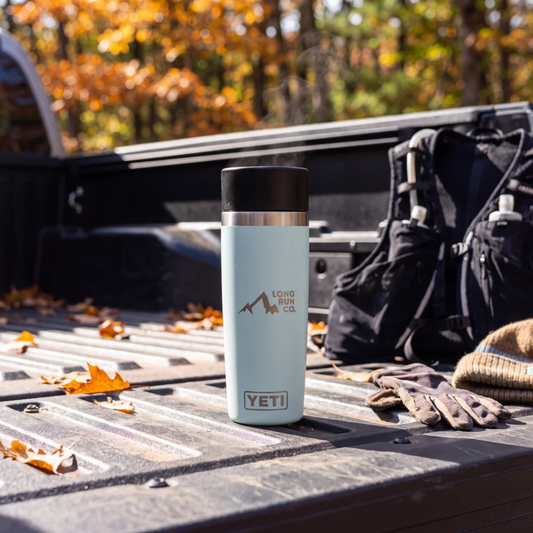
Race Season: LRC x YETI 16oz Travel Bottle
Regular price $39.00Regular priceUnit price49.00Sale price $39.00Sale -
Backcountry: Long Run Coffee
Regular price $23.99Regular priceUnit price -
Backcountry: Rest & Recover Tea
Regular price $17.32Regular priceUnit price -
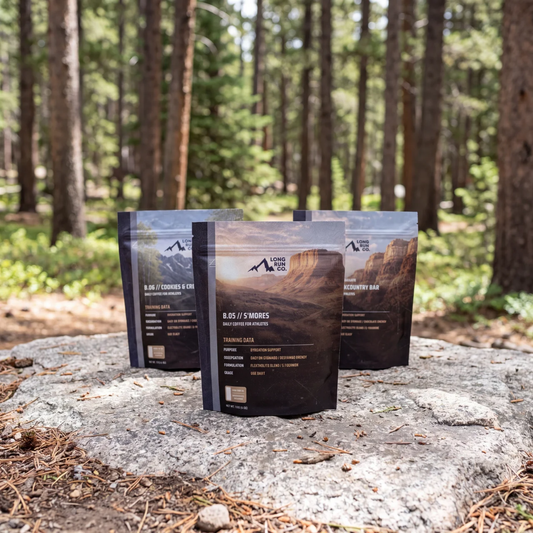
Backcountry: PB Chocolate / S'mores / Cookies & Cream
Regular price $29.99Regular priceUnit price34.89Sale price $29.99Sold out