Why Fitness Feels Fragile (But Isn’t)
2 Minute Read
As we improve in our training, progress becomes harder to see. And when we take time off, the loss feels dramatic.
Both are mental traps that can absolutely be avoided.
The Better We Get, the Less Progress We Notice
When we’re new to running, progress is loud. Every week feels different. Paces drop quickly, long runs stretch further, and we can feel improvement in the clearest possible ways.
But as we become more seasoned, the improvements shrink in size and shift in nature. It's harder to see clear and obvious improvements, and we don't see them each week.
Progress stops showing up on the watch and starts showing up in quieter places: how our breathing settles earlier in the run, how our perceived effort feels easier longer into a run, how our heart rate stabilizes at intensities that used to feel overwhelming, etc.
These are the stability markers that define a well-trained athlete, yet they’re also the easiest to overlook. We get so accustomed to the sense of control and efficiency that we stop recognizing those traits as earned advantages.
And we mistake invisible progress for stagnation. We feel like nothing is changing, when in reality everything is becoming more stable, more automatic, more durable.
Why Time Off Feels Like a Total Collapse (Even When It Isn’t)
The first run back after a break can feel alarming.
Our lungs burn quicker than expected, our legs feel heavier, and our “easy pace” no longer matches our memory of it. It’s tempting to conclude that we lost everything. But the subjective shock is almost always larger than the objective decline.
Physiologically, some losses do happen quickly. Within the first two weeks of no training, aerobic capacity begins to fall. Much of this is due to reductions in plasma volume and cardiac efficiency (i.e. temporary changes that affect how hard a run feels). The discomfort is real, but the damage is smaller than it feels.
The larger disruption is mental. We’re not comparing today’s performance to an absolute standard: we’re comparing it to the best version of ourselves. We exaggerate the decline, making small physiological changes feel like a massive collapse.
But what feels lost isn’t gone. It’s simply unpracticed.
The Good News: We Regain Fitness Faster Than We Lose It
This is the part athletes forget.
The same adaptations that fade quickly also return quickly. Research shows that once training resumes, VO₂max rebounds at a faster rate than it declined. Blood volume expands again. Cardiac output improves. Movement economy re-stabilizes. The body remembers what it spent months or years building.
Even after several weeks off, athletes rarely start from zero. In reality, we're starting from a solid foundation. The neuromuscular patterns remain. The mental resilience remains. The routine, once restarted, accelerates the comeback in a way beginners never experience. What took months to build the first time often takes weeks to restore.
Which means the fear we feel during that first shaky run is misplaced. We didn’t totally lose fitness. We temporarily stepped away from the routine that made everything feel smooth. And it can be rebuilt.
Routine Protects the Progress We Can’t See
The stability we lose during time off highlights how much routine matters.
Routine isn’t just how we structure training. It’s what keeps progress from slipping through the cracks unnoticed. When we run consistently, we maintain not only the physiological adaptations but also the confidence, predictability, and identity that support them.
Even light training during busy seasons has an outsized effect. A few shorter runs each week can slow detraining significantly and keep our system intact enough to bounce back quickly. More importantly, staying connected to routine preserves the mental toughness that we’ve built.
Progress doesn’t vanish during time off. It just becomes harder to access until we return to the behaviors that built it. And once we do, we build back faster than we expect.
Wrap It Up
Stepping away from training can make our fitness feel fragile, but the reality is far more encouraging. The progress we built doesn’t disappear, and it returns quickly with the right routine. The adaptations we lose quickly are the same ones we recover quickly, and our long-term foundation remains intact throughout the process.
There is no reason to panic when progress becomes hard to see or when we temporarily step away from the work. We come back with more perspective, more patience, and a clearer understanding of how durable our training actually is.
With this mindset, we build a routine we love and train consistently.
More Motivation
View all-

-

-

Nobody's Watching You
We think everyone is watching, and judging, us. No one is. And believing they are, will wreck our training.
Nobody's Watching You
We think everyone is watching, and judging, us. No one is. And believing they are, will wreck our training.
-

Pay the Price, or Pick a New Goal
There are no good goals or bad goals. There is only what a goal costs, what it gives back, and whether that trade is worth it for you.
Pay the Price, or Pick a New Goal
There are no good goals or bad goals. There is only what a goal costs, what it gives back, and whether that trade is worth it for you.


Fuel your training
-
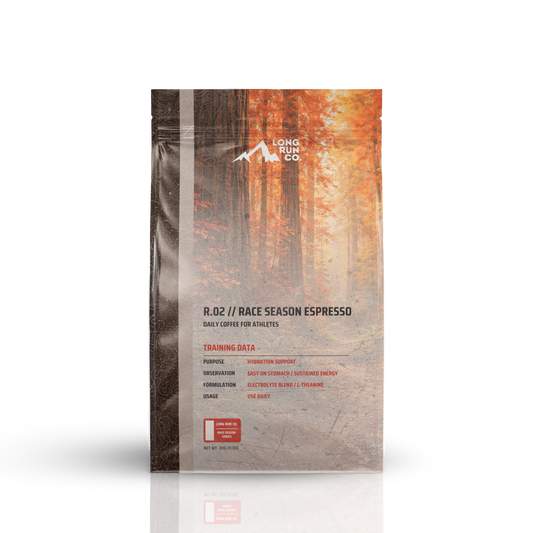
Race Season: Long Run Coffee
Regular price $25.32Regular priceUnit price -
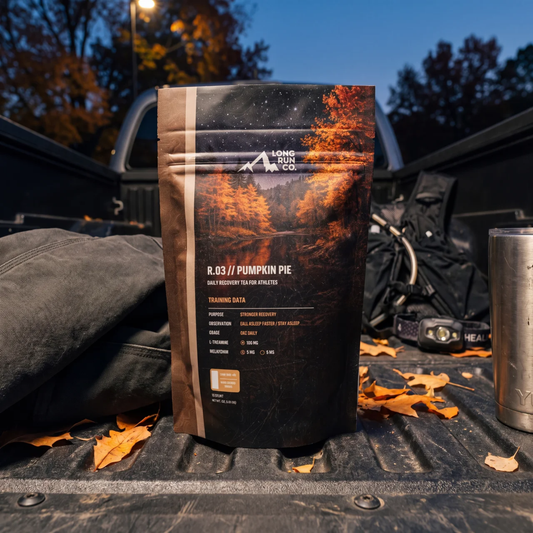
Race Season: Rest & Recover Tea
Regular price $19.99Regular priceUnit price -
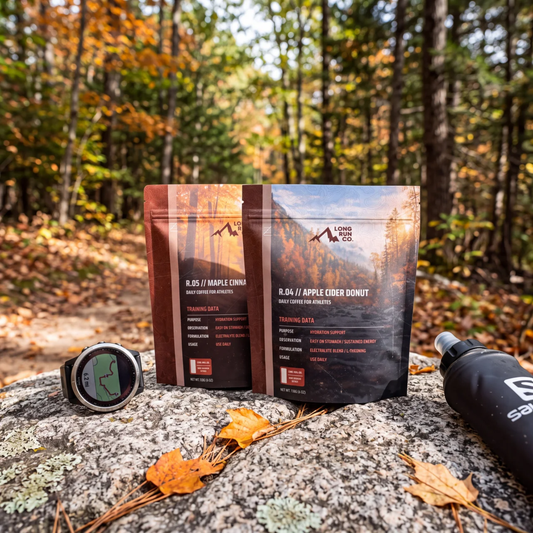
Apple Cider Donut | Maple Cinnamon | Pumpkin Pecan
Regular price $29.99Regular priceUnit price34.89Sale price $29.99Sale -
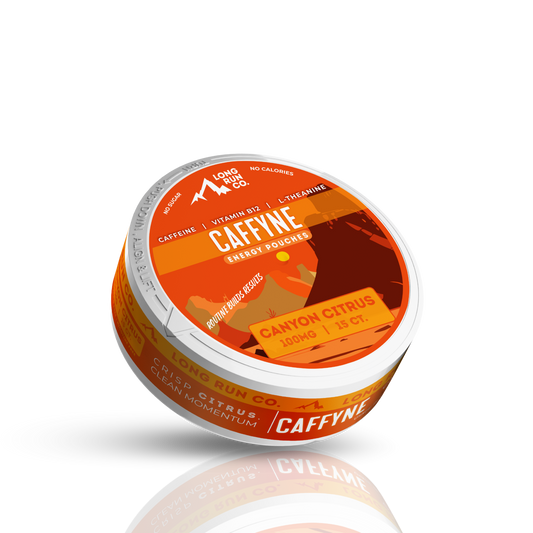
CAFFYNE Energy Pouches
Regular price $6.79Regular priceUnit price0.00Sale price $6.79 -
Race Season: LRC x YETI 16oz Travel Bottle
Regular price $39.00Regular priceUnit price49.00Sale price $39.00Sale -
Backcountry: Long Run Coffee
Regular price $23.99Regular priceUnit price -
Backcountry: Rest & Recover Tea
Regular price $17.32Regular priceUnit price -
Backcountry: PB Chocolate / S'mores / Cookies & Cream
Regular price $29.99Regular priceUnit price34.89Sale price $29.99Sold out