How to Guarantee Failure
2 Minute Read
The idea of inversion: the path to failure is more concrete and obvious than the path to success.
So, map a path to failure. Then, do the opposite.
We Ask the Wrong Question
When we want to get more consistent, we ask the obvious question: how do I do this? What is the perfect plan, the right routine, the system that finally makes it stick. So we go hunting for the answer. A better program, a new app, more motivation... whatever.
The problem is that this question is genuinely hard to answer. There is no single recipe for success. There never is. There are infinite ways to succeed. And what works depends (greatly) on the person, the season, the schedule, and a hundred things that shift over time. So we do our best. But, what worked yesterday isn't guaranteed today. Things change.
There's another way to think about it. And it feels backwards.
Ask the Opposite
Instead of asking what the exact path to success is, instead ask how you would guarantee you fail.
If you wanted to be absolutely certain that you quit training, give up, don't hit your goal, etc., how would you do it? Most of us can answer that instantly, and in detail:
- Don't schedule anything
- Keep the training plan vague
- Wait until you feel motivated
- Start with huge mileage
- Make it complicated
- Tie your happiness to a single number that will eventually let you down
- Eat like garbage
That list came easily. And, that is the entire point.
Why This Works
The backwards question works for one reason: failure is usually more predictable and concrete than success.
Success has too many moving parts. It depends on your body, your life, your timing, and honestly, some luck. There is no fixed formula to create success. Ask how to succeed, and you'll get a million answers.
Failure is not like that. The reasons people quit are short, repeatable, and easy to name ahead of time. They're obvious. Almost everyone who falls off does it for the same handful of reasons. This means failure is easy to understand, and importantly, much easier to predict ahead of time.
So we do not have to engineer a perfect plan. We only have to understand the obvious paths to failure, and take them off the table. Remove the reliable causes of quitting, and what is left tends to work. Not because we cracked some code, but because we stopped setting ourselves up to fail.
Remove the Failures
This turns a vague goal into a concrete checklist. Walk down the list of how you would guarantee quitting, and then literally, just do the opposite.
Sound obvious? Yes! That's the whole point.
A vague or crazy complicated plan, becomes a simple written one. Waiting for motivation, becomes relying on routine. Aggressive unrealistic mileage, becomes starting small and building up over time. Chasing a number, becomes training by effort.
None of that is impressive, and that is exactly why it works. We are not trying to be brilliant. We are trying to not be foolish, which is a far easier and more reliable game to win.
Wrap It Up
We spend most of our energy hunting for specific paths to success. But failures are significantly easier to understand.
So flip the question. Ask how you would guarantee you quit, write down every honest answer, and then refuse to do those things. Remove the ways you would fail, and success will happen by default. It's just a matter of when.
With this mindset, we build a routine we love and train consistently.
More Motivation
View all-

Hard Is the Point
The challenge in front of us isn’t a barrier. It’s the opportunity to become stronger, more durable, and more reliable.
Hard Is the Point
The challenge in front of us isn’t a barrier. It’s the opportunity to become stronger, more durable, and more reliable.
-

-

-

Nobody's Watching You
We think everyone is watching, and judging, us. No one is. And believing they are, will wreck our training.
Nobody's Watching You
We think everyone is watching, and judging, us. No one is. And believing they are, will wreck our training.


Fuel your training
-
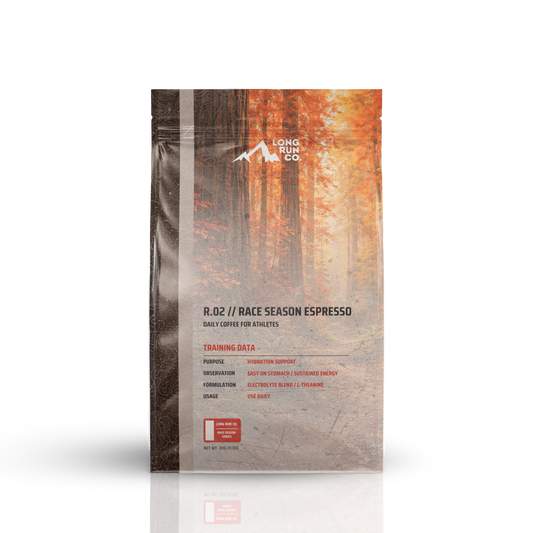
Race Season: Long Run Coffee
Regular price $25.32Regular priceUnit price -
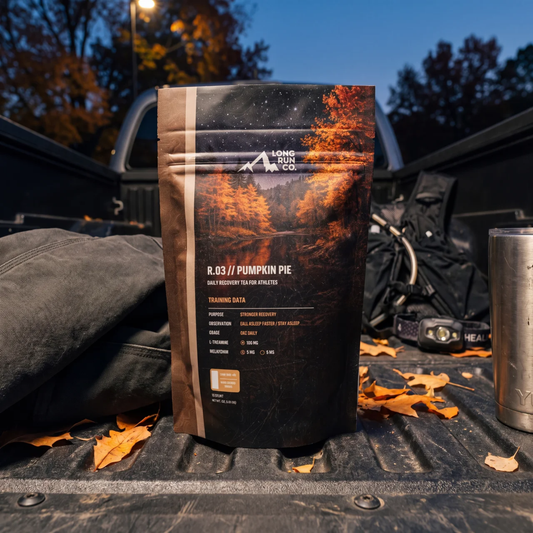
Race Season: Rest & Recover Tea
Regular price $19.99Regular priceUnit price -
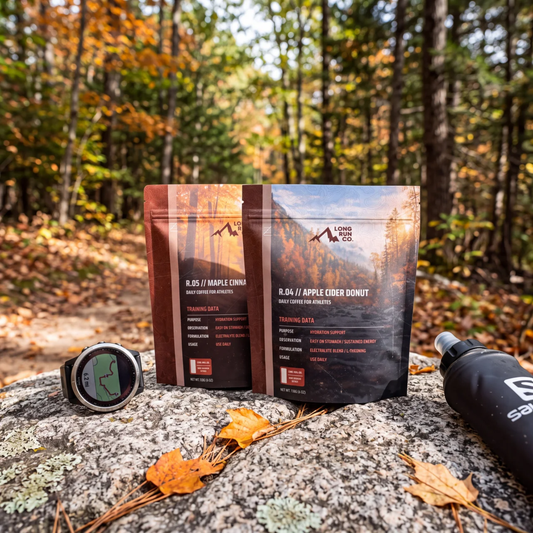
Apple Cider Donut | Maple Cinnamon | Pumpkin Pecan
Regular price $29.99Regular priceUnit price34.89Sale price $29.99Sale -
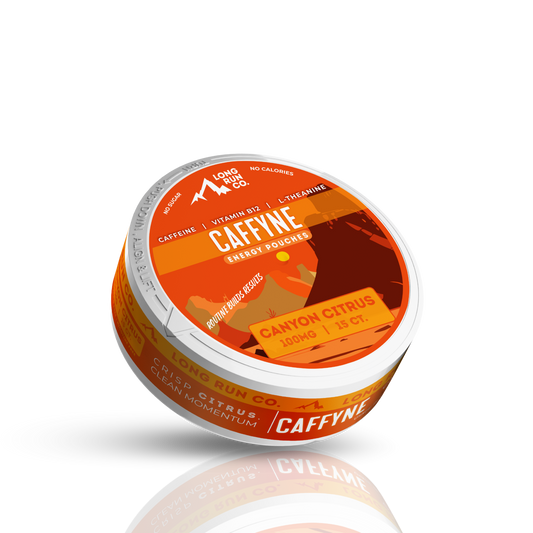
CAFFYNE Energy Pouches
Regular price $6.79Regular priceUnit price0.00Sale price $6.79 -
Backcountry: Long Run Coffee
Regular price $23.99Regular priceUnit price -
Backcountry: Rest & Recover Tea
Regular price $17.32Regular priceUnit price -
Backcountry: PB Chocolate / S'mores / Cookies & Cream
Regular price $29.99Regular priceUnit price34.89Sale price $29.99Sold out -
Long Run Coffee
Regular price $23.99Regular priceUnit price