Stop Changing Everything
2 Minute Read
Athletes love changing the plan. But the skill we need to learn, is leaving it alone.
Why We Keep Changing the Plan
There’s a very understandable reason we try to change things all the time: it's kinda fun.
Early in a cycle, everything feels active. There’s novelty. New workouts. New structure. New signals that something is happening. Training feels purposeful because it feels different.
When the excitement wears off, the work starts to feel more quite. Less urgent. Less emotionally engaging. And that's when we try to "fix" it.
We tweak the plan. Add complexity. Change sessions. Look for something that brings the sense of movement back. Not because the structure is broken, but because boredom feels like stagnation, and stagnation feels dangerous.
This is the trap. We mistake emotional flatness for inefficiency. We assume that if training isn’t exciting, it must not be effective. And instead of letting repetition do its job, we chase novelty to reassure ourselves that we’re still progressing.
Boredom Is Not a Signal to Optimize
Most of a training cycle is not "exciting" by design. It’s repetitive because the body adapts to repeatable stimulus. The engine gets built through consistent, predictable inputs. It's is reliable.
If excitement and motivation fade, we assume something needs to change.
Spoiler: excitement / motivation always fade.
The work feels familiar because we’re not reinventing it every week. The effort feels less dramatic because we’re adapting to it. The weeks blur together because training is becoming routine. And that's the whole point. We’re no longer living off excitement. We’re living off structure.
And now, "don't change anything" becomes a real skill. It's knowing how to keep going when the brain starts trying to convince us that we need something new.
Sticking Beats Tweaking
Training works because it’s cumulative. A plan needs time to express itself.
When we change inputs too often, we never get clean feedback. We don’t know what worked because we didn’t hold anything steady long enough to learn. We end up busy but not improving: constantly adjusting, constantly reacting, constantly chasing the feeling that we’re doing something smart.
Consistency is how we create signal.
When the plan stays stable, we can actually interpret the data. We can tell the difference between fatigue and failure. Between an off day and a broken approach. Between normal strain and real risk. Consistency gives us context. It turns training from scattered effort into a coherent process.
And there’s a deeper benefit here: it builds trust. Not just trust in the plan, but trust in ourselves. We learn that we can hold a course. We learn that we don’t need to chase reassurance. We learn that progress is something we earn slowly, not something we prove daily.
Patience Is an Active Behavior
Patience isn’t passive waiting. It’s a decision.
It’s executing the same plan on a day that feels mediocre and not “fixing” it with extra work. It’s resisting the urge to change everything after one weird week. It’s staying consistent long enough for the plan to do what it was designed to do.
This matters even more for experienced runners. At a higher level, progress isn’t super obvious. The gains are smaller. The feedback is slower. And that makes it easier to panic and start optimizing.
But the athletes who improve over decades aren’t the ones who constantly reinvent their training. They’re the ones who can stay with a plan long enough to benefit from it. They don’t confuse restlessness with insight. They don’t treat boredom like a problem. They treat it like a phase.
Patience is not what we feel. It’s what we do.
When Change Is the Right Move
This isn’t an argument for stubbornness. Plans should change when they’re clearly miscalibrated. If the structure can’t be sustained, if recovery is consistently failing, or when life makes the plan unrealistic, that's when we need to change things.
But that’s different from changing because we’re bored, anxious, or chasing proof.
A simple standard helps: we adjust when the plan is consistently breaking us, not when it’s simply not entertaining us.
Wrap It Up
Most athletes don’t need a better plan. They need the skill of staying with one.
Boredom is a good sign. Tweaking things may feel productive, but sticking creates progress. And patience isn’t passive. It’s an active choice to let repetition do its work.
With this mindset, we build a routine we love and train consistently.
More Motivation
View all-

-

-

Nobody's Watching You
We think everyone is watching, and judging, us. No one is. And believing they are, will wreck our training.
Nobody's Watching You
We think everyone is watching, and judging, us. No one is. And believing they are, will wreck our training.
-

Pay the Price, or Pick a New Goal
There are no good goals or bad goals. There is only what a goal costs, what it gives back, and whether that trade is worth it for you.
Pay the Price, or Pick a New Goal
There are no good goals or bad goals. There is only what a goal costs, what it gives back, and whether that trade is worth it for you.


Fuel your training
-
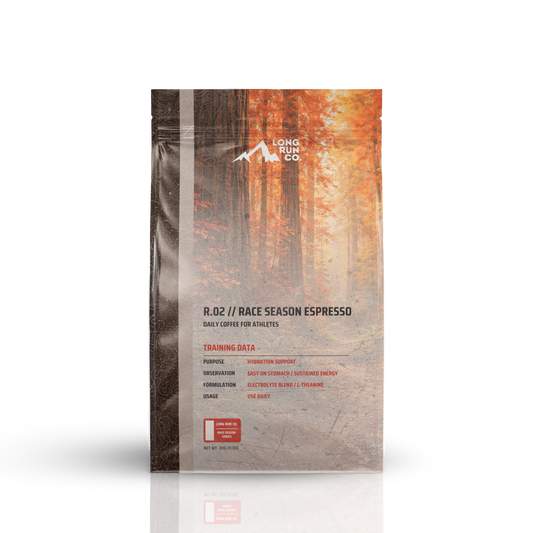
Race Season: Long Run Coffee
Regular price $25.32Regular priceUnit price -
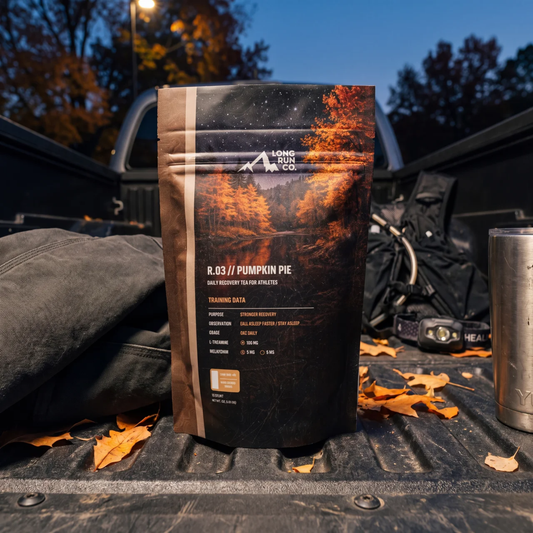
Race Season: Rest & Recover Tea
Regular price $19.99Regular priceUnit price -
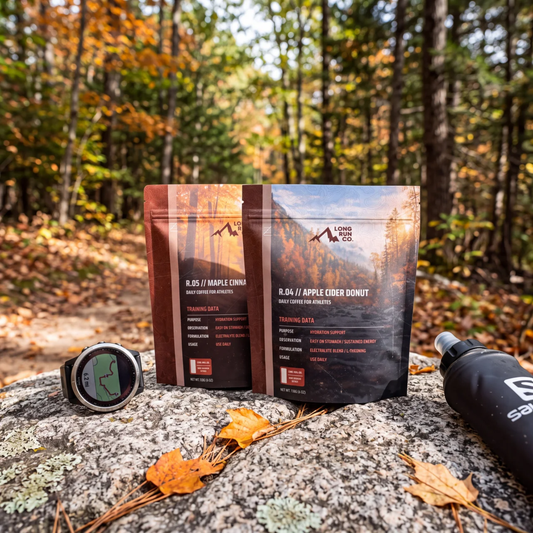
Apple Cider Donut | Maple Cinnamon | Pumpkin Pecan
Regular price $29.99Regular priceUnit price34.89Sale price $29.99Sale -
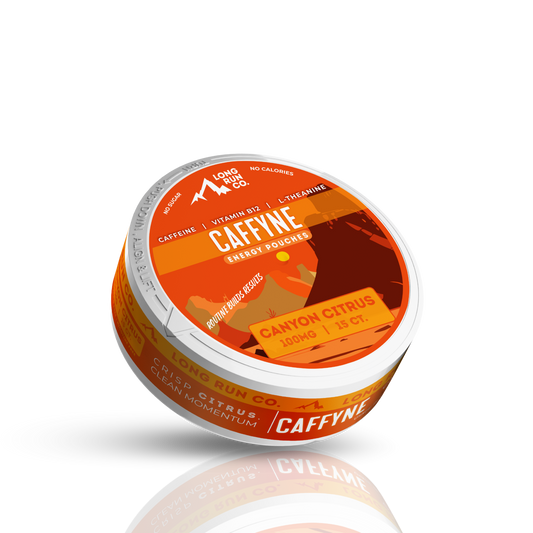
CAFFYNE Energy Pouches
Regular price $6.79Regular priceUnit price0.00Sale price $6.79 -
Race Season: LRC x YETI 16oz Travel Bottle
Regular price $39.00Regular priceUnit price49.00Sale price $39.00Sale -
Backcountry: Long Run Coffee
Regular price $23.99Regular priceUnit price -
Backcountry: Rest & Recover Tea
Regular price $17.32Regular priceUnit price -
Backcountry: PB Chocolate / S'mores / Cookies & Cream
Regular price $29.99Regular priceUnit price34.89Sale price $29.99Sold out